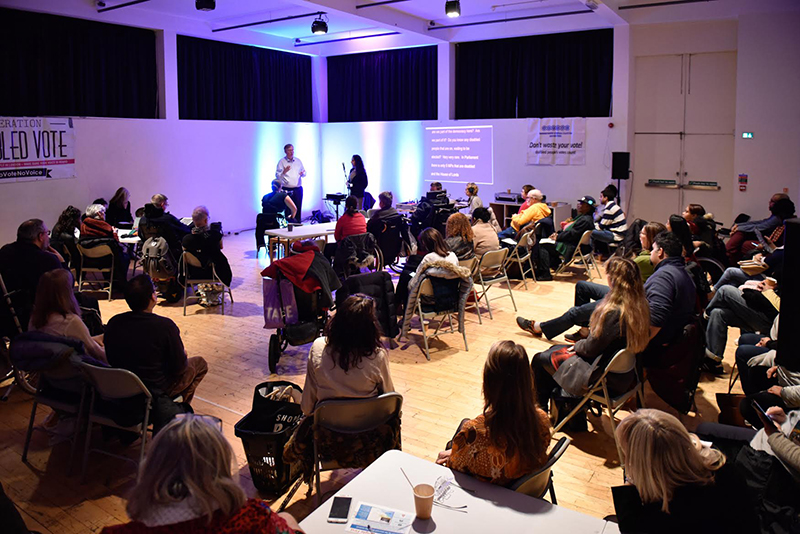
Three groundbreaking policy changes. Four major victories. Fifteen years of sustained grassroots organising. This is what happened when Disabled people refused to accept discrimination.
When We Won, Everyone Won
These weren’t just symbolic victories. Real Disabled people’s lives changed because of what HAFCAC achieved. People kept money they would have lost to charges. People kept support they would have lost to cuts. People gained power they had never had before.
Here’s the full story of each victory—the timeline, the tactics, the setbacks, and the breakthroughs. Study these. Learn from them. Then go win your own.
By The Numbers
1,231*
Disabled people freed from home care charges
*2014 data. Many thousands more have now benefitted from this since.
15
Years of sustained campaigning
Only 1
Borough in England with no home care charges
First
Disabled People’s Commission in the UK
Victory 1: Ending Home care Charging
2006 – 2015
The Problem We Faced
In 2006, Hammersmith & Fulham’s Conservative Council announced plans to start charging Disabled residents for essential support to live independently—despite their manifesto promising they wouldn’t.
This wasn’t just about money. It was about dignity. Disabled people would have to pay for basic support that others take for granted—having a bath, doing shopping, getting dressed. As Kevin Caulfield said to MPs years later: “It just cannot be right.”
“There are 1,231 people in Hammersmith and Fulham who need help with everyday tasks that others take for granted, such as having a bath or doing the shopping. That help is not a luxury, it’s a necessity. In a civilised society, I believe home care is something people shouldn’t have to pay for.”
— Council Leader Steve Cowan, International Day of Disabled People 2014
How We Won: The Nine-Year Campaign
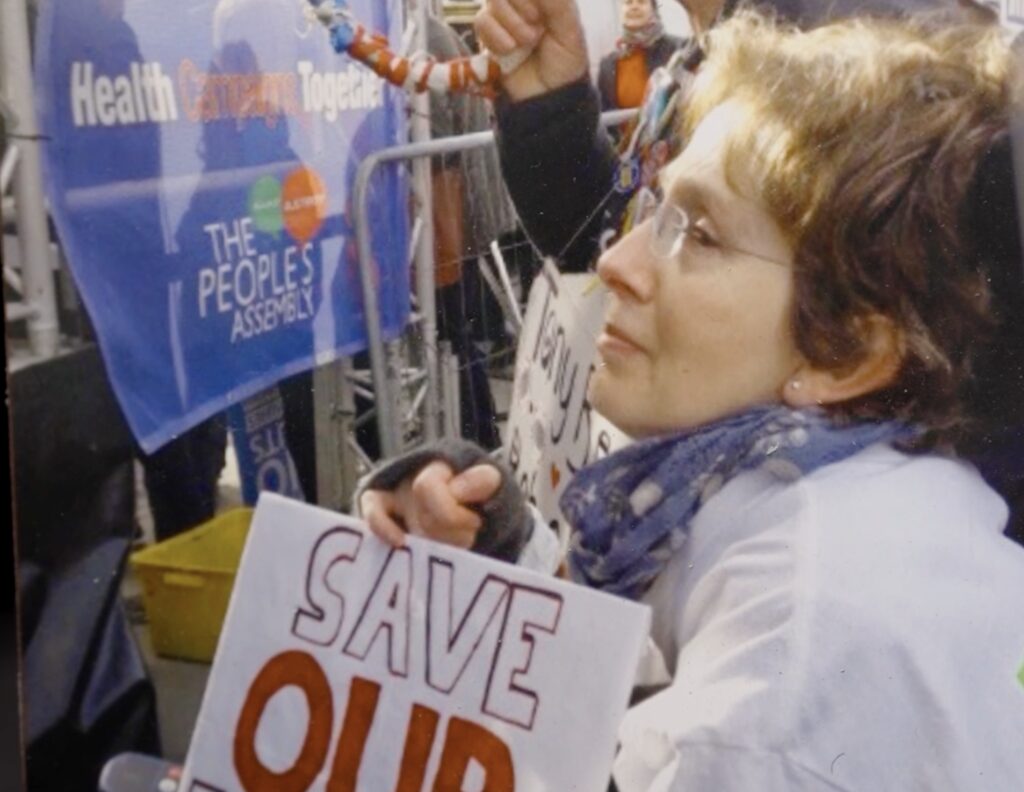
2006: HAFCAC is set up
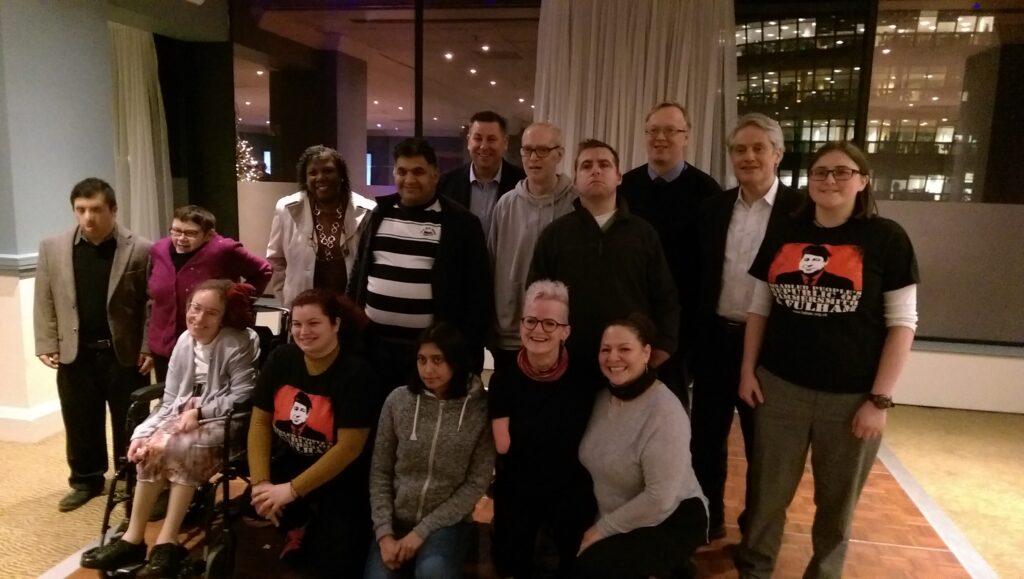
A small group of Disabled people, including Debbie Domb, Kevin Caulfield, Tara Flood, David Webb, and Peter Gay, formed HAFCAC as a non-funded Disabled People’s Organisation specifically to challenge the charging policy.
KEY TACTIC: We organised as a DPO—by Disabled people, for Disabled people. This gave us legitimacy and ensured our campaign reflected what Disabled people actually wanted.
2007-2008: Building Community Power
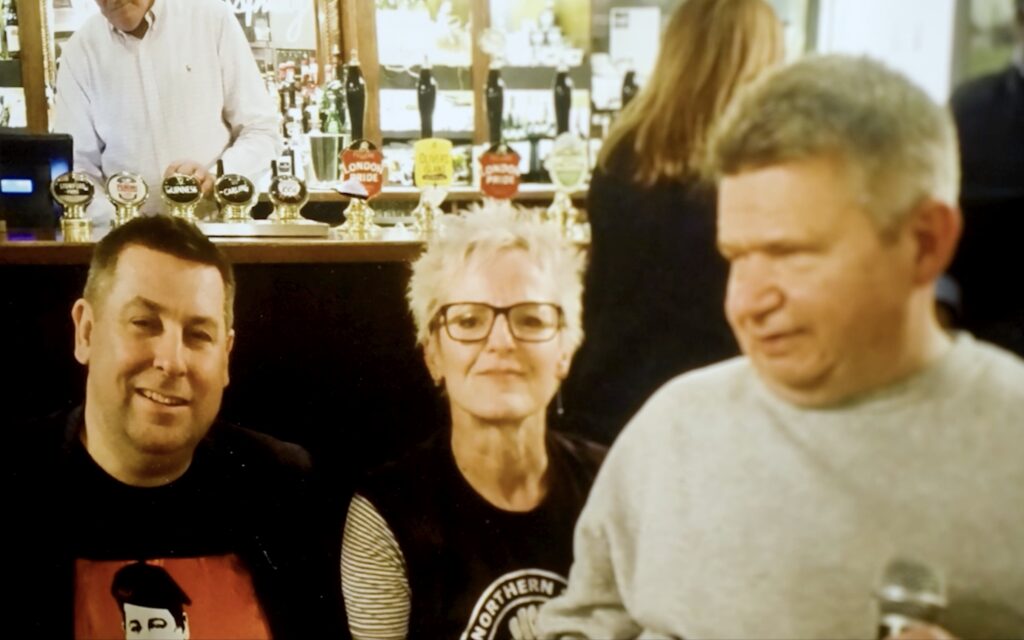
We worked on petitions, lobbied Council meetings repeatedly, and campaigned on the streets. Debbie ran pub quizzes at the Goldhawk pub, bringing Disabled and non-disabled people together while raising campaign funds. We involved local residents and organisations.
KEY TACTIC: Consistent presence. We showed up at every relevant council meeting. They couldn’t ignore us because we were always there.

2009: Legal Challenge
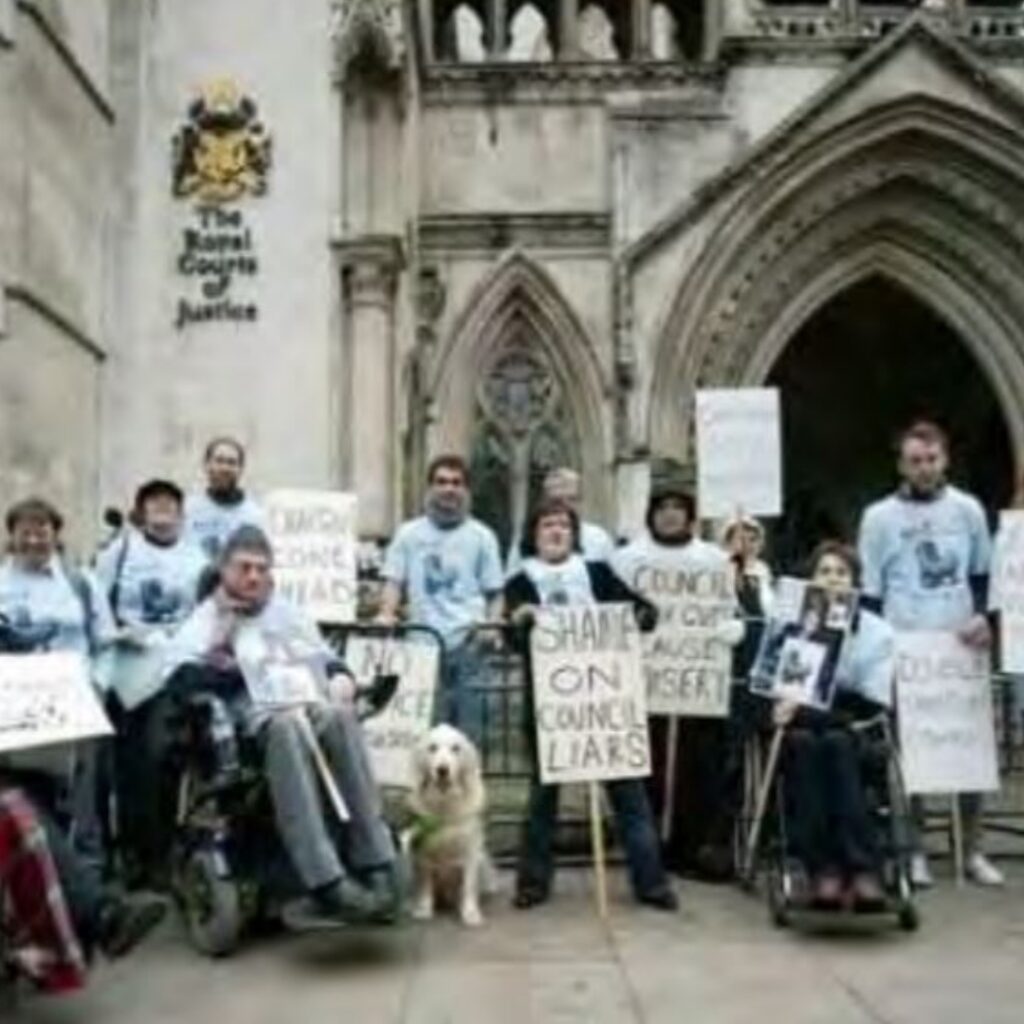
Working with the Public Law Project, we brought a legal challenge: Domb v London Borough of Hammersmith and Fulham. Debbie Domb and two other Disabled residents were named claimants. The council had started implementing charges—we had to escalate.
KEY TACTIC: Legal action sent a message—we were serious and wouldn’t go away. It also generated media coverage and public attention.
September 2009: We “Lose” But Actually Win
We lost the appeal. But the Lord Justice of Appeal’s scathing judgment gave us a powerful tool. He said the council”sacrifices free home care on the altar of a Council Tax reduction for which there was no legal requirement.”
KEY LESSON: Even losing can be winning. The legal challenge proved we’d fight, energised our community, and created public pressure that would pay off later.

2010-2013: The Austerity Years
The coalition government’s austerity cuts hit. The council proposed raising charging rates from £10.72 per hour to £12. Our 2011 New Year campaign highlighted how cuts were “diminishing disabled peoples’ standard of living.”
We continued lobbying, continued organising, continued showing up. The campaign felt long and hard. But we didn’t stop.
KEY LESSON: Sustained campaigns require stamina. We celebrated small wins, supported each other, and kept the long-term goal in sight.
2014: Political Change
Labour took control of the council. Our years of voter registration, relationship-building, and demonstrating we were a serious electoral constituency paid off. The new administration knew who we were and what we wanted.
KEY TACTIC: Political engagement works. When sympathetic politicians took power, we were ready with clear demands and proven credibility.
April 2015: VICTORY! 🎉
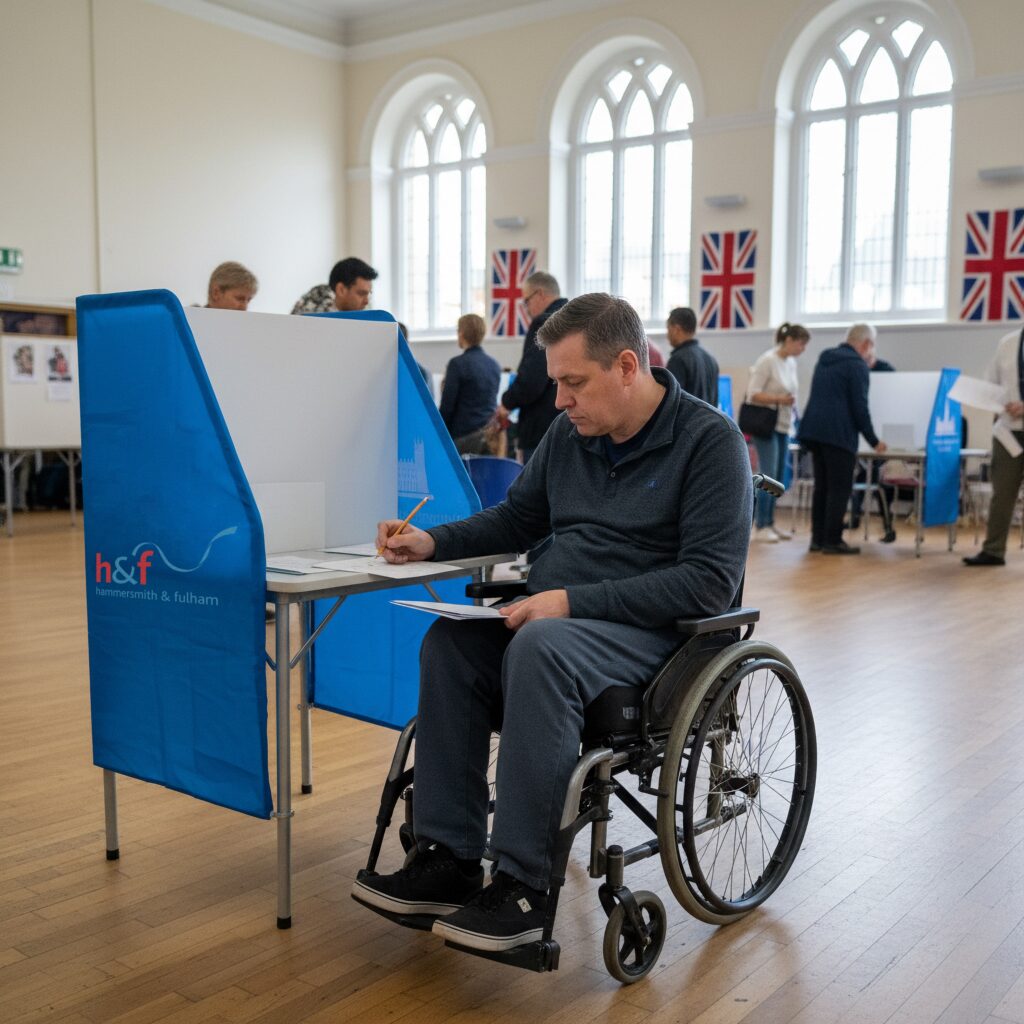
Hammersmith & Fulham Council abolished ALL charging for community support services for Disabled people. Not just “personal care” but ALL forms of community support.
H&F became—and remains to this day—the only Local Authority in England not to charge Disabled people for home care support.
“This is not just for ‘personal care’ but all forms of community support provided following a community care assessment.”
— HAFCAC History
The Impact: Who Won?
For Individuals
- Disabled people no longer paying for basic support
- Money saved could be used for other essentials
- Dignity restored—not charged for basic human needs
- Financial assessments ended—no more “demeaning” process
- Peace of mind about future support costs
For The Movement
- Proved grassroots organising works
- Set precedent for other councils (though none followed)
- Demonstrated Disabled people’s political power
- Created blueprint for other campaigns
- Inspired activists across the UK and Europe
Still Fighting For This Everywhere Else
In 2024, Kevin Caulfield gave evidence to the Commons Health and Social Care committee about charging for care. By then, Hammersmith & Fulham had been charge-free for nine years—but everywhere else still charged.
“The financial assessment process is often demeaning, it comes at a point in people’s lives where people need support and peace and tranquillity, and instead what happens is you move further and further away from that.”
— Kevin Caulfield, testifying to Parliament
This victory wasn’t just about Hammersmith & Fulham. It proved what’s possible—and showed how unjust it is everywhere else.
Victory 2: Protecting the Independent Living Fund
2015
The National Crisis
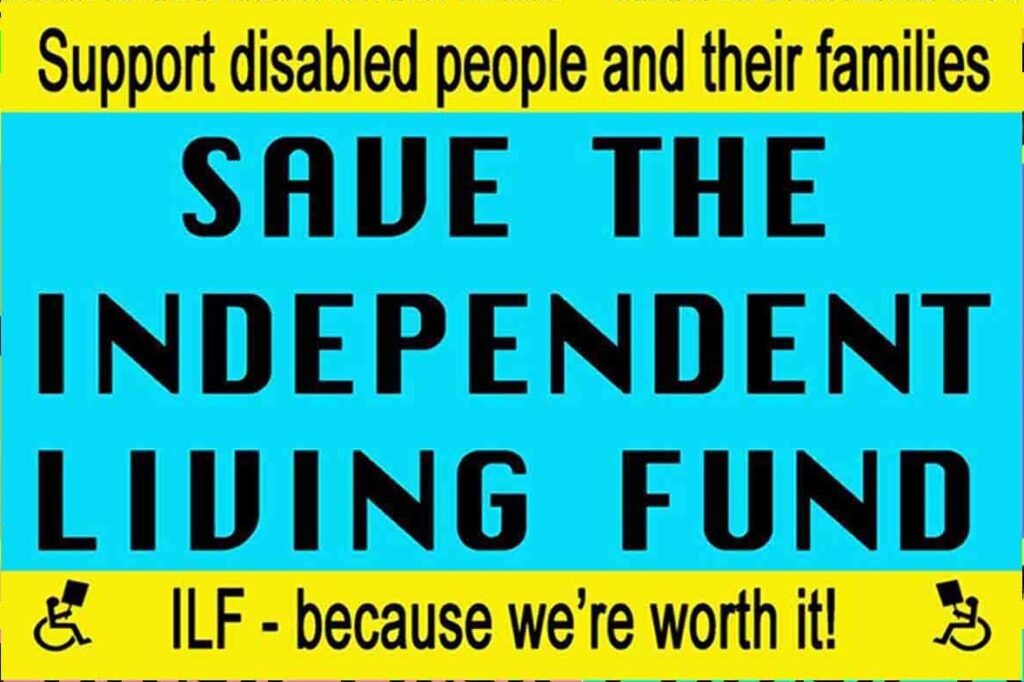
The UK government announced it would close the Independent Living Fund (ILF) on June 30, 2015. The ILF supported 21,000 Disabled people across the country with the highest support needs to live independently in the community.
The government said it would transfer funding to local authorities—but wouldn’t ring-fence it. Councils could spend it on anything. For Disabled people who relied on ILF packages, this was terrifying. Many would be forced into residential care.
“For the first time in the history of modern social policy, we are in danger of going backwards in terms of the support available to disabled people.”
— Jenny Morris, foreword to Inclusion London’s ILF evaluation report
Fighting Back: National and Local
National Campaign
HAFCAC joined the national campaign against ILF closure. We protested at DWP central office at Caxton House. During one peaceful demonstration, Debbie Domb was almost crushed by a police charge. She put her body on the line for this fight.
The national campaign lost—the government closed the ILF. But we weren’t done.
Local Strategy
We shifted tactics. If the government wouldn’t protect ILF, maybe our council would. HAFCAC, Action on Disability, and local direct payment recipients lobbied Hammersmith & Fulham’s new Labour administration intensively.
We demanded they ring-fence the transferred ILF funding—guarantee it would only go to former ILF recipients and not be raided for other budget needs.
KEY TACTIC: When you can’t win nationally, fight locally. Use your relationships, your electoral power, and your credibility to protect your community.
June 2015: We Won Locally
Hammersmith & Fulham Council committed to ring-fencing funding for ILF support packages, initially until 2020—then continued it beyond.
No other Local Authority in England made such a commitment. While Disabled people across the country lost support, those in H&F kept their packages intact.
Why This Victory Mattered
Inclusion London’s evaluation report “One Year On” looked at what happened to former ILF recipients across London boroughs. The findings were stark:
“While a number of councils have made a decision to maintain pre-ILF closure levels of support, others have made substantial cuts…”
— Inclusion London report
In Hammersmith & Fulham, because HAFCAC had organised, built relationships, and fought proactively, people kept their support. Elsewhere, cuts were devastating.
Debbie’s Fight
Debbie Domb lobbied the Labour administration successfully on ILF protection. She also participated in the national protests, where she was nearly crushed by police at Caxton House.
Debbie employed her own Personal Assistants using a direct payment. She understood viscerally what was at stake—not just support, but independence itself.
“She challenged the second class citizenship often heaped on Disabled people and promoted our right to have choice and control over our lives.”
— From Debbie’s tribute
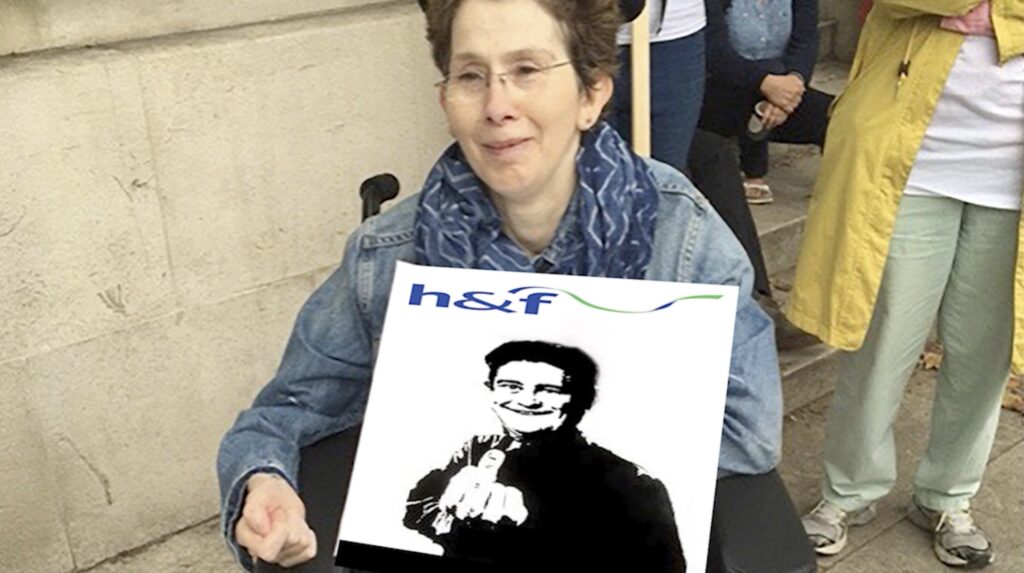
Victory 3: The Co-Production Revolution
2016 – 2018
From Protest to Partnership
By 2016, HAFCAC had won on charging and ILF. We had proven we could organise, mobilise, and win. The question became: what next? Could we move beyond fighting individual battles to fundamentally changing how decisions were made?
Co-production was the answer—not consultation where councils ask our opinion and ignore it, but actual shared decision-making power. Disabled people as equal partners with councillors and officers in designing policies and services.
“Co-production means local Disabled residents are working together with decision makers to actively identify, design, and evaluate policy decisions and service delivery that affect our lives and remove the barriers we face.”
— Disabled People’s Commission Report definition
Creating the Commission

2016: Gathering Evidence
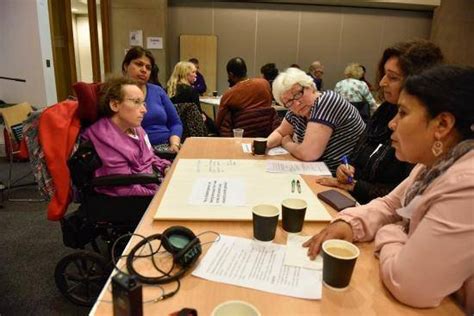
The council set up a Disabled People’s Commission to look at how to make life easier for Disabled people in the borough. The Commission launched the “Nothing About Us Without Us” survey to gather experiences of local services and support.
HAFCAC mobilised the community to complete the survey, ensuring Disabled people’s voices were heard. Kevin Caulfield served as Policy Officer to the Commission.
KEY TACTIC: Good co-production starts with listening. The survey ensured recommendations would be based on actual Disabled people’s experiences, not assumptions.
2018: Commission Report & Council Commitment
The Commission published its report. In November 2018, Hammersmith & Fulham Council agreed to a trailblazing new model: co-production would become the DEFAULT way they make decisions in the borough.
Not just for disability issues. For everything. “Doing things with residents and not to them” became official policy.
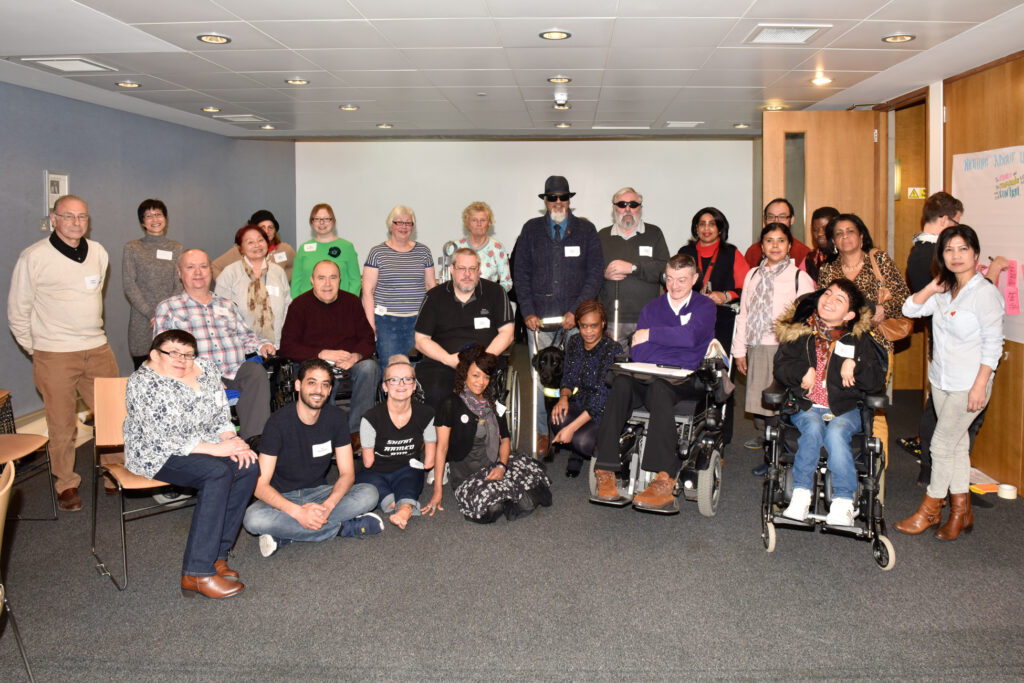
November 2018: First in the Country
Hammersmith & Fulham became the first council in the UK to have a cross-council commitment to co-production.
Structural Change
- Co-production embedded in council processes
- Disabled people involved from the start of policy development
- Not just consultation but shared decision-making
- Resources allocated to make co-production work
- Accountability mechanisms to ensure follow-through
Power Shift
- Disabled people go from asking permission to making decisions
- Our expertise recognised and valued
- Payment for our time and knowledge
- Direct influence on council priorities
- Model for other councils to follow
Tara Flood: Commission Chair
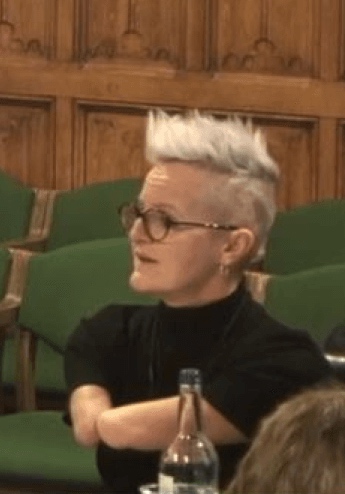
Tara Flood, HAFCAC founding member, was appointed Chair of the Disabled People’s Commission. Her “excellent track record in disability campaigning” and lived experience as a local Disabled resident made her the perfect choice.
“This is an exciting opportunity for Disabled people across the borough to come together and be part of a radical change – a change that will begin to see a new way of doing things – services that are co-produced with Disabled people. Hammersmith & Fulham is a borough that wants to hear what we, as Disabled people, have got to say so I’m really looking forward to chairing the Commission and turning words into action!”
— Tara Flood, on her appointment
Cllr Stephen Cowan’s Leadership
Council Leader Stephen Cowan became a strong supporter and champion of co-production. His public commitment helped institutionalise the change.
“I want Hammersmith & Fulham to become the most accessible and inclusive borough in London and this new Commission will help show us the way to deliver this vision… H&F Council is committed to putting residents at the heart of decision making, doing things with people and not to them.”
— Cllr Stephen Cowan, Council Leader
This wasn’t just rhetoric. The council created a co-production implementation group and dedicated resources to making it real.
Why Co-Production Is Revolutionary
This victory is different from the others. Ending charging and protecting ILF were defensive wins—stopping bad things from happening. Co-production is transformative—changing who has power.
Before Co-Production
- Council designed policies
- Consulted Disabled people (maybe)
- Implemented policies
- Disabled people reacted
- Cycle of protest and resistance
With Co-Production
- Disabled people and council design together
- Shared decision-making from the start
- Implementation is collaborative
- Ongoing partnership
- Prevention of problems before they start
Co-production shifts power structurally. It’s not about winning individual battles—it’s about changing the rules of the game.
Victory 4: Restoring DPO-Run Direct Payment Support Service
2020
Coming Full Circle
In 2012, the previous Conservative administration took the Direct Payment Support Service in-house, removing it from local Disabled People’s Organisation control. This mattered—direct payment users losing a service run by people who understood their lives.
HAFCAC campaigned to get back a locally run service delivered by a local DPO and direct payment users. In early 2020, we won.
The Victory
Action on Disability (AOD), the local DPO, was commissioned to set up and deliver the new Direct Payment Support Service.
This was the principle of “nothing about us without us” made real. Direct payment support—helping Disabled people manage their own care—would be run by Disabled people ourselves.
By us, for us. As it should be.
The Pattern Behind Every Victory
Look at these four victories together. There’s a pattern. A blueprint you can follow.
1. Organise first
Every victory started with Disabled people organising ourselves. We built HAFCAC, strengthened DPO networks, and showed we were serious before we made demands.
2. Build Multiple Types of Power
We used different tactics: community organising, voter registration, legal challenges, lobbying, protests, co-production. No single tactic won alone—the combination created pressure.
3. Play the Long Game
Home care charging took 9 years. We didn’t give up when we lost the legal case. We adapted, persisted, and eventually won. Sustained campaigns require stamina.
4. Connect Individual Impact to Systemic Change
We told personal stories but always demanded structural solutions. Not just “help this person” but “end charging for everyone.” Not just “improve this service” but “change who makes decisions.”
5. Build Relationships Across Political Lines
We worked with whoever was in power while staying independent. When sympathetic politicians took office, we were ready with clear demands and proven credibility.
Watch The Full Story
The HAFCAC documentary explores each of these victories in depth, with founding members sharing their experiences and insights.
Now You Know What’s Possible
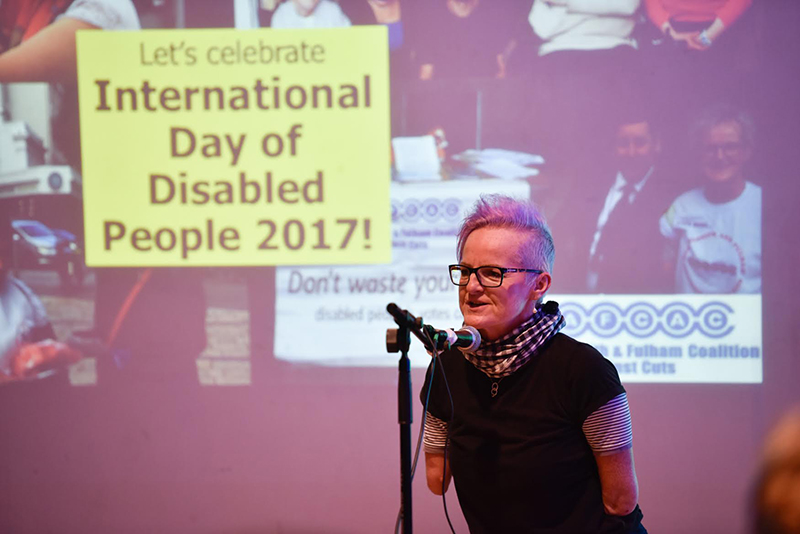
Four victories. Fifteen years.
One small group of Disabled people who refused to accept discrimination.
If we could do this in Hammersmith & Fulham, you can do it in your community.
The Work Continues in Hammersmith & Fulham
While HAFCAC closed in 2021, these organisations continue advocating for Disabled people in the borough and working within the co-production framework we helped create.
Action on Disability
Currently runs the Direct Payment Support Service and continues local disability advocacy.
Safety Net People First
Supporting people with learning difficulties in Hammersmith & Fulham
Co-production Matters H&F
Continuing co-production work in the borough